Source Eco Friendly Wooden Sushi Boat for Catering, Parties, and Retail
Find 30 eco friendly wooden sushi boat options from Chinese manufacturers. Compare specifications like size, material grade, and packaging details to select the right food container for your business needs; compare the available evidence and request quotations based on your requirements.
Key considerations
Products List








Comprehensive Sourcing Guide
Eco Friendly Wooden Sushi Boat Sourcing Guide
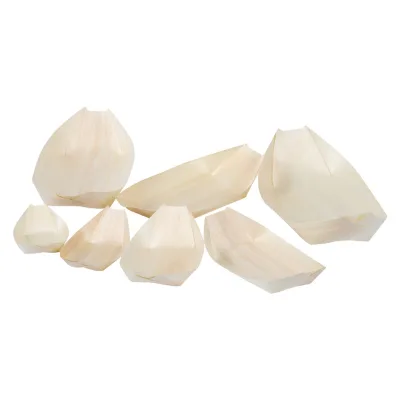
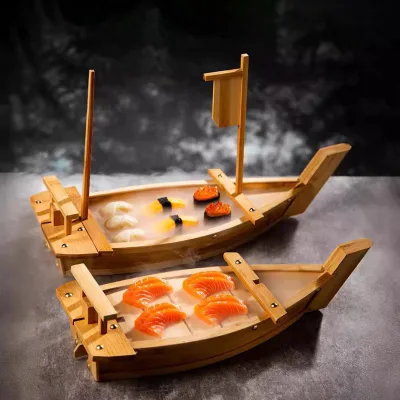
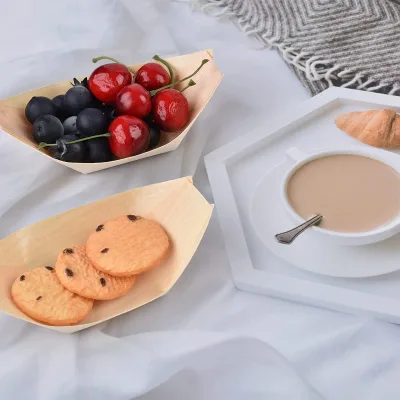
Sourcing eco-friendly wooden sushi boats requires a strategic balance between aesthetic appeal, functional utility, and sustainable material sourcing. These products serve as both food containers and presentation tools, primarily used in sushi restaurants, catering services, and food festivals where visual impact is as critical as hygiene. Buyers must prioritize suppliers who demonstrate a clear commitment to environmental responsibility, ensuring that the wood used is sourced from managed forests or rapidly renewable resources. The natural wood color and boat shape are key selling points that enhance the dining experience, making the product more than just a vessel but a part of the culinary presentation.
The procurement process involves navigating a diverse market of manufacturers, many of whom are located in industrial hubs like Guangdong, China, which is known for its robust manufacturing infrastructure. Buyers should look for suppliers who offer customization options, allowing for branding or specific sizing requirements that align with their operational needs. It is essential to verify that the materials used are not only eco-friendly but also meet food-grade standards to ensure safety. The presence of features such as being biodegradable and heavy-duty indicates a higher quality product that can withstand the rigors of commercial use while maintaining its structural integrity and aesthetic charm throughout the service period.
Product Scope and Observed Listing Signals
The current market landscape for wooden sushi boats reveals a wide range of product variations, with observed prices spanning from $0.01 to $142.59 per unit or batch, depending on volume and customization. Minimum order quantities (MOQs) vary significantly, ranging from a single piece to 100,000 units, catering to both small boutique businesses and large-scale distributors. Listings frequently highlight attributes such as "Eco-Friendly," "Disposable," and "Biodegradable," which are critical for buyers aiming to reduce their environmental footprint. The observed model numbers, such as Sushi Tools-0021-G and Sushi Tools-0011-G, suggest a standardized production line, yet the availability of customization indicates flexibility in meeting specific client demands for unique shapes or sizes.
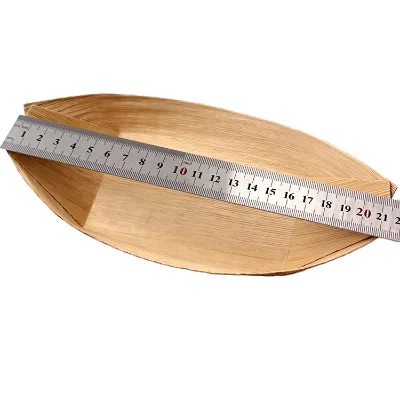
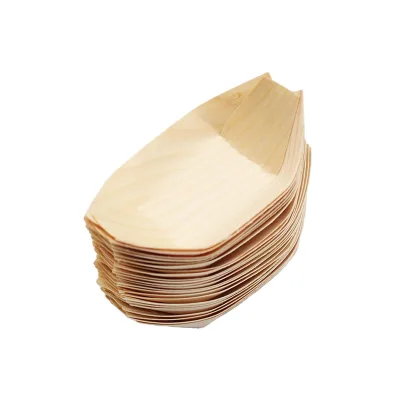
Buyers should pay close attention to the physical specifications provided in listings, such as single package sizes of 22x10.5x3 cm or 15x10x5 cm, which impact storage and shipping logistics. The gross weight of individual units is typically low, around 0.005 to 0.010 kg, allowing for efficient bulk transport. However, the packaging details, such as 10,000 pieces per carton, require careful planning to ensure that warehouse space and handling equipment are adequate. The presence of "Stocked" items suggests that some suppliers maintain inventory for faster delivery, which can be advantageous for urgent orders, while others may operate on a made-to-order basis with lead times of 15 to 25 days.
Technical Specifications to Verify
When evaluating technical specifications, buyers must verify the material composition to ensure it is genuine wood and meets food-grade safety standards. The listings indicate materials such as wood with a natural color or light yellow hue, which should be free from harmful chemicals or excessive odors. It is crucial to confirm that the surface is smooth to prevent splinters and ensure a pleasant user experience. Additionally, the operating mode is manual, and the products are not dishwasher safe, requiring hand washing only, which impacts the operational workflow in high-volume food service environments. Buyers should also check if the products are microwave safe, as this adds versatility to their usage in various food service scenarios.
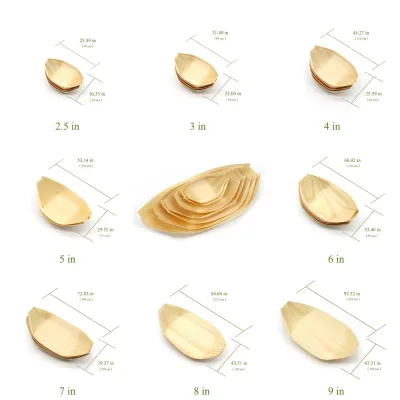
The dimensional accuracy of the sushi boats is another critical factor, with standard sizes ranging from 3 to 8 inches. Buyers should request samples to verify that the boat shape and pattern are consistent with their branding and functional requirements. The model numbers provided, such as Disposable Cutlery or Wooden Boat, should be cross-referenced with the actual product dimensions to avoid discrepancies. Furthermore, the packaging method, whether carton or woven bag, should be assessed for durability to protect the products during transit. Ensuring that the single gross weight and package size align with logistical constraints is essential for optimizing supply chain efficiency and reducing transportation costs.
Compliance and Safety Documentation
Compliance with food safety regulations is paramount when sourcing wooden sushi boats, as they come into direct contact with food. Buyers must verify that the products hold relevant certifications, such as CIQ, which indicates compliance with inspection and quarantine standards. Although CE certification is mentioned in background data, it should be confirmed directly with the supplier as it may not apply to all wooden products. It is essential to ensure that the wood used is treated with non-toxic finishes and that the manufacturing process adheres to strict hygiene protocols. Buyers should request documentation proving that the materials are food-grade and safe for human consumption, including any relevant test reports or certificates of analysis.
In addition to food safety, environmental compliance is a key consideration for eco-friendly products. Buyers should verify that the suppliers adhere to sustainable forestry practices and that the products are biodegradable or compostable as claimed. This may involve checking for certifications from recognized environmental bodies that validate the eco-friendly claims. The absence of odor is a positive indicator of quality, but buyers should still ensure that no harmful volatile organic compounds (VOCs) are present. Clear labeling and documentation regarding the product's end-of-life disposal options can also enhance the brand's sustainability profile and meet the expectations of environmentally conscious consumers.
Cost Drivers and Commercial Terms
The cost of eco-friendly wooden sushi boats is influenced by several factors, including material quality, customization requirements, and order volume. The observed price range of $0.01 to $142.59 reflects the diversity in product specifications and supplier pricing strategies. Buyers should negotiate terms carefully, considering the minimum order quantity and the potential for volume discounts. Payment terms typically include T/T (Telegraphic Transfer) and Irrevocable L/C at sight, which provide security for both parties. It is important to clarify whether the quoted prices include packaging, shipping, and any applicable taxes or duties, as these can significantly impact the total cost of ownership.
Lead times are another critical commercial term, with typical delivery windows ranging from 15 to 25 days. Buyers should plan their inventory management accordingly to avoid stockouts or excess inventory. The availability of different delivery methods, such as truck, air, and sea, offers flexibility in balancing cost and speed. For urgent orders, air freight may be necessary, although it comes at a higher cost. Sea freight is more economical for large volumes but requires longer lead times. Buyers should also consider the MOQ, which can range from a single piece to 100,000 units, and align their purchasing strategy with their sales forecasts to optimize cash flow and storage capacity.
Supplier Qualification and Quality Control
Supplier qualification is a critical step in ensuring the reliability and consistency of eco-friendly wooden sushi boat supplies. Buyers should conduct thorough due diligence, verifying the supplier's business license, manufacturing capabilities, and quality control processes. Suppliers located in Guangdong, China, often have established infrastructure, but buyers should still assess their production capacity and ability to meet specific quality standards. Requesting references or case studies from existing clients can provide insights into the supplier's performance and reliability. It is also advisable to visit the manufacturing facility or hire a third-party inspection service to verify production conditions and quality control measures.
Quality control should be integrated into the procurement process, with clear specifications and acceptance criteria defined in the purchase agreement. Buyers should implement a sampling plan to inspect incoming goods for defects, such as splinters, uneven surfaces, or incorrect dimensions. Regular audits of the supplier's quality management system can help identify and address potential issues before they impact the supply chain. Establishing a feedback loop with the supplier to discuss quality performance and continuous improvement opportunities is essential for maintaining high standards. Additionally, buyers should ensure that the supplier has a robust process for handling non-conforming products, including returns or replacements, to minimize disruption to their operations.
Long-Term Procurement Checks
Long-term procurement success depends on building a resilient and adaptable supply chain for eco-friendly wooden sushi boats. Buyers should regularly review supplier performance metrics, including on-time delivery, product quality, and responsiveness to issues. Establishing a multi-sourcing strategy can mitigate risks associated with single-supplier dependency, ensuring continuity of supply in case of disruptions. It is also important to stay informed about market trends and regulatory changes that may impact the sourcing of wooden products, such as new environmental regulations or shifts in consumer preferences. Continuous engagement with suppliers to discuss innovation and improvement opportunities can lead to better products and more favorable terms over time.
Sustainability should remain a core focus in long-term procurement strategies, with buyers actively seeking suppliers who demonstrate a genuine commitment to environmental stewardship. This may involve collaborating with suppliers to develop new eco-friendly materials or processes that reduce the environmental impact of the products. Buyers should also consider the lifecycle of the products, from sourcing to disposal, and work with suppliers to optimize each stage for sustainability. Regularly updating procurement policies and standards to reflect best practices and industry developments will help maintain a competitive edge and align with the values of environmentally conscious customers. By prioritizing long-term relationships and continuous improvement, buyers can secure a reliable supply of high-quality, eco-friendly wooden sushi boats.
FAQs
What material is used for the eco friendly wooden sushi boat?
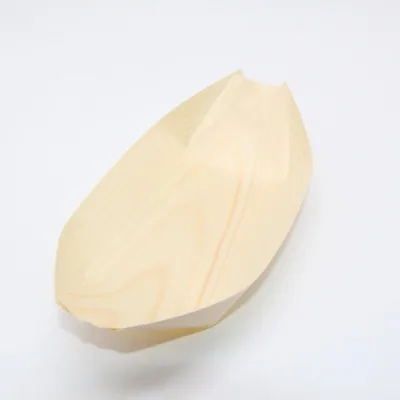
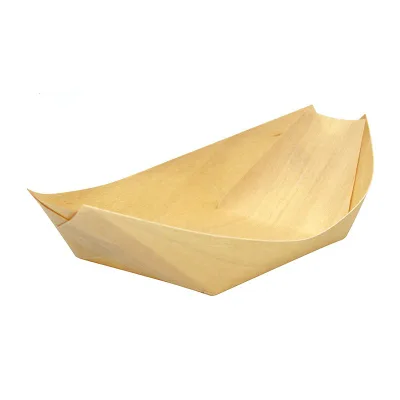
The product is made from wood with a natural wood color finish. It features a smooth surface and is designed as a boat shape container. The material is eco-friendly food grade and carries CIQ certification for safety standards.
Can I customize the eco friendly wooden sushi boat specifications?
Customization is available for this product line. Buyers can request specific model numbers like Sushi Tools-0021-G or Disposable Wooden Boat variants. The single package size varies between 15x10x5 cm and 22x10.5x3 cm depending on the selected model.
How long is the lead time for ordering these wooden boats?
The standard lead time ranges from 15 to 25 days for production. Delivery can be arranged via truck, air, or sea transport. The minimum order quantity is negotiable, allowing flexibility for different buyer needs and order volumes.
What are the payment terms for purchasing these sushi tools?
Payment terms include T/T and Irrevocable L/C at sight for secure transactions. The product is stocked and ready for shipment. Buyers should note that the selling unit is a single item, though bulk packaging is 10,000 pieces per carton.
Is the eco friendly wooden sushi boat dishwasher safe?
No, the product is not dishwasher safe and requires hand washing only. It is designed as a manual operating tool with no odor. Care instructions specify hand wash to maintain the wood integrity and natural color finish over time.
Which certifications does the wooden sushi boat hold?
The product holds CIQ certification as a verified high-confidence fact. It is also described as eco-friendly, biodegradable, and heavy duty. Some listings mention CE as a background attribute, but CIQ is the primary documented certification for this item.
What is the origin location for these wooden sushi boats?
The place of origin is Guangdong, China. The products are sourced from manufacturers in this region with a lead time of 15 to 25 days. The brand names associated with these items include Gorlando and A2U for various models.